The Molding
Knowledge Hub
Deep dive into technical guides, troubleshooting tips, and industry trends. We share 20 years of engineering expertise to help you optimize your production line.
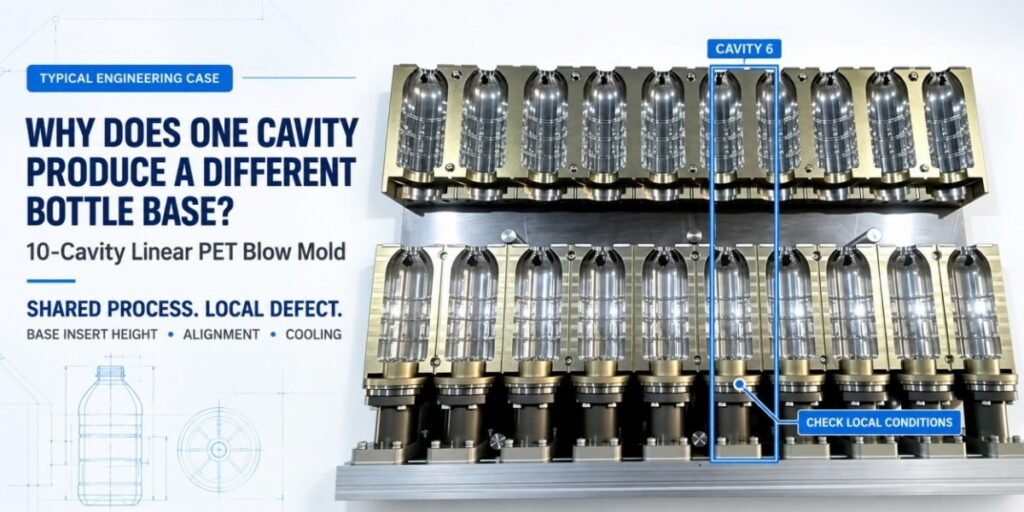
Why Does One Cavity Produce a Different Bottle Base in a 10-Cavity Linear PET Blow Mold?
When nine cavities in a 10-cavity linear PET blow mold produce consistent bottles but one fixed cavity repeatedly…
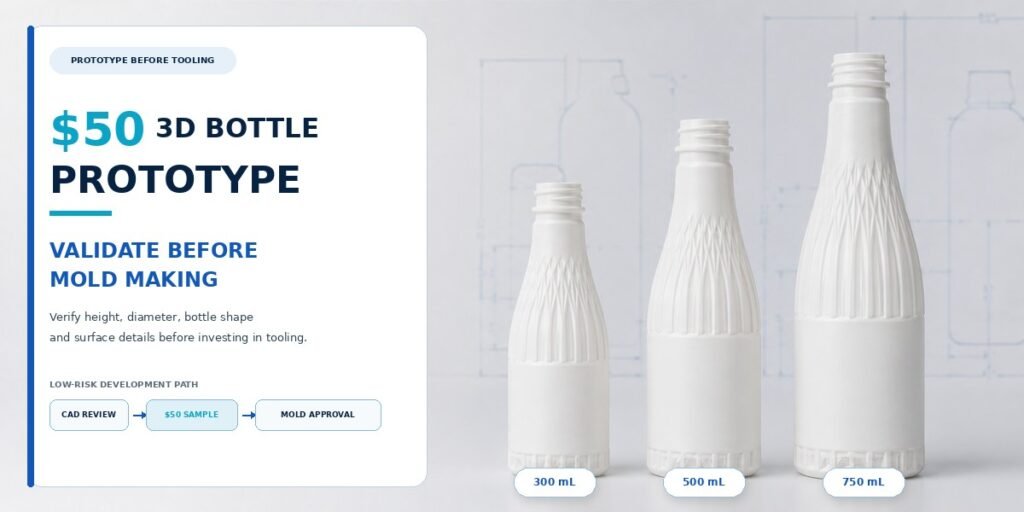
PET Bottle Prototype Before Mold Making: How a $50 3D Sample Can Reduce Tooling Risk
One of our customers was developing an entirely new family of PET water bottles in 300ml, 500ml and…
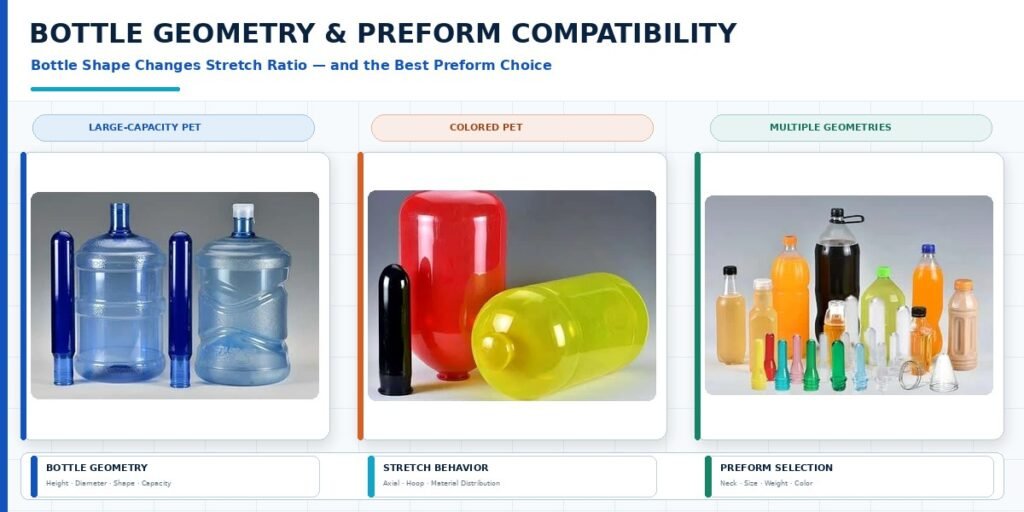
How to Choose the Right PET Preform for Your Bottle: Neck Finish, Weight, Size & Color
A South African customer contacted me recently with a question that many new bottle producers eventually face. His…
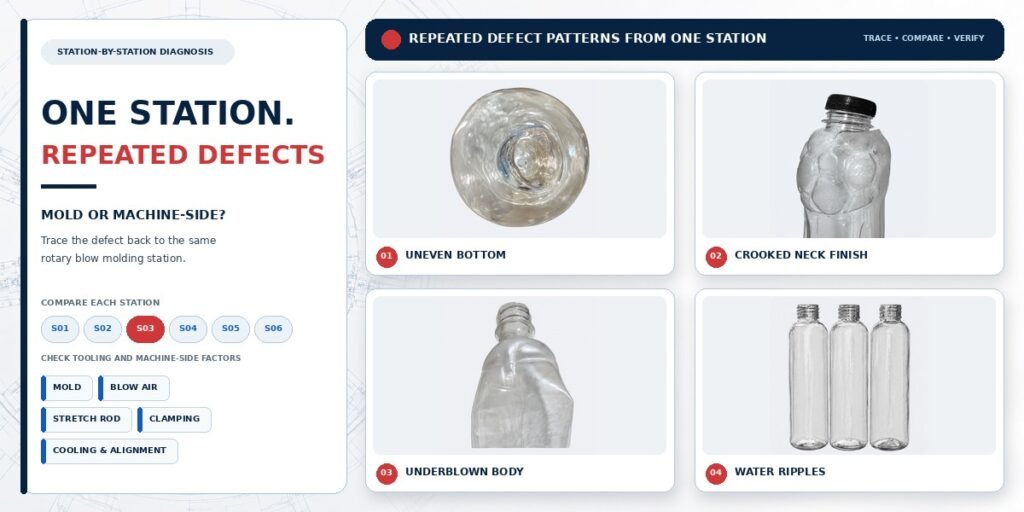
Why Does One Blow Molding Station Keep Producing Defective PET Bottles? A Station-by-Station Diagnosis Guide
In more than ten years of after-sales support for PET blow molds and bottle production projects, if you…
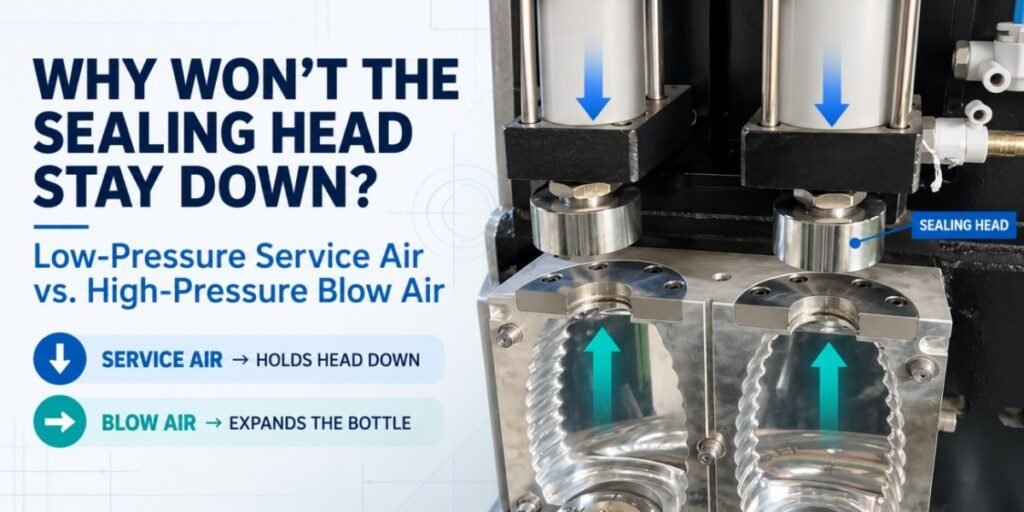
Why Won’t the PET Blow Molding Sealing Head Stay Down? Low-Pressure Service Air vs. High-Pressure Blow Air
When the sealing head of a semi-automatic PET blow molding machine lifts or loses contact with the preform…
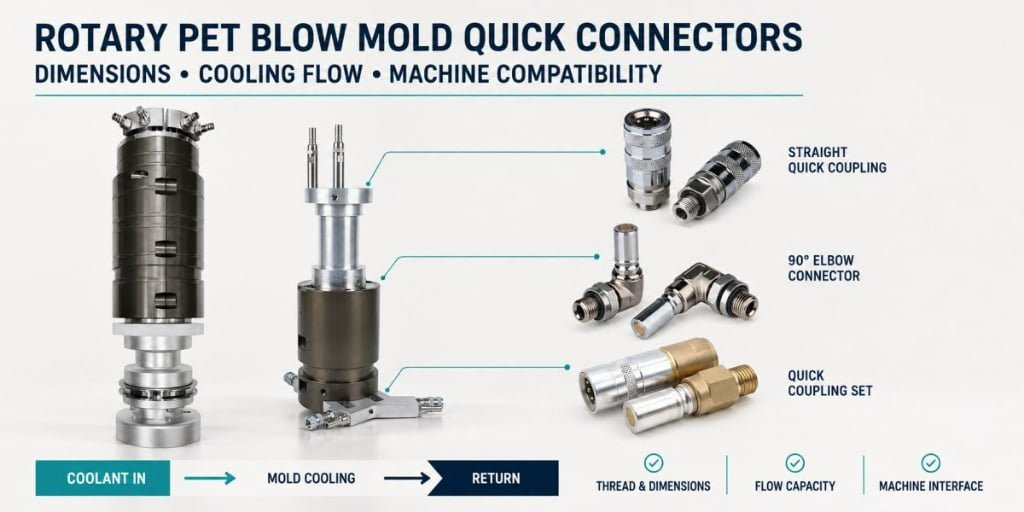
Rotary PET Blow Mold Quick Connectors: Dimensions, Cooling Flow & Machine Compatibility Explained
When buyers order a replacement rotary PET blow mold, most attention naturally goes to the bottle cavity, mold…
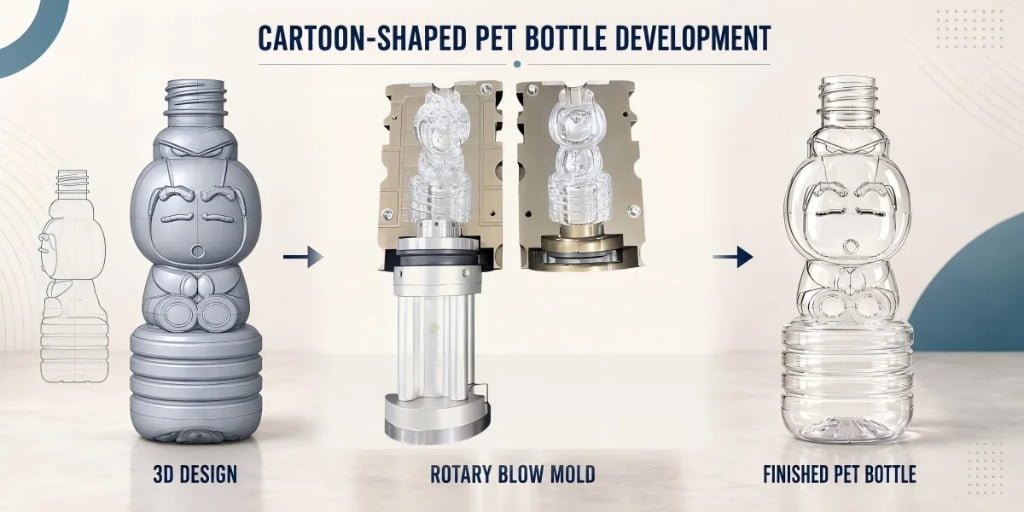
Cartoon-Shaped PET Bottle Blow Mold Design: Parting Lines, Deep Details, Demolding & Mass Production
A cartoon character can look excellent in a rendering and still be unsuitable for stable PET bottle production.…
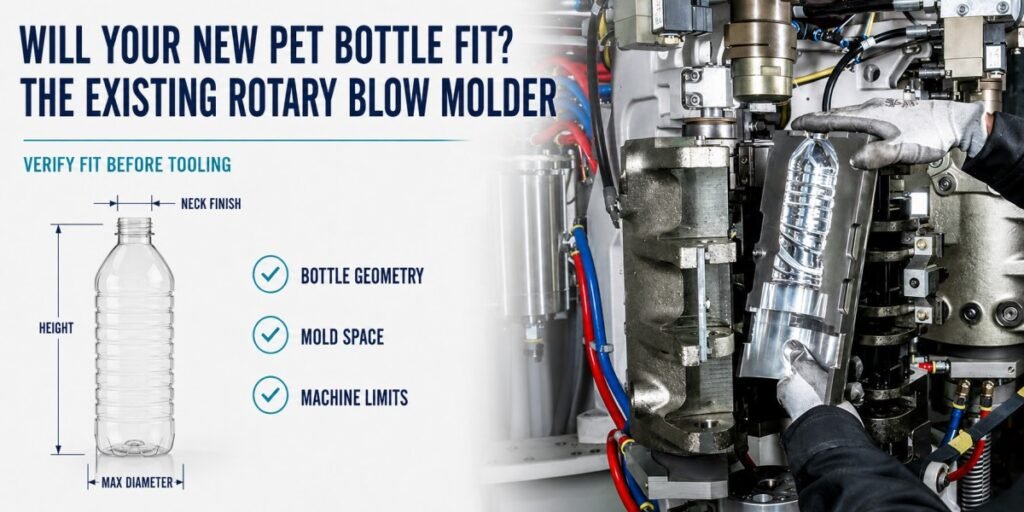
Will Your New PET Bottle Fit the Existing Rotary Blow Molder? Bottle Geometry, Mold Space & Machine Limits
A Saudi customer recently came to us with a new PET bottle project. His factory already had a…
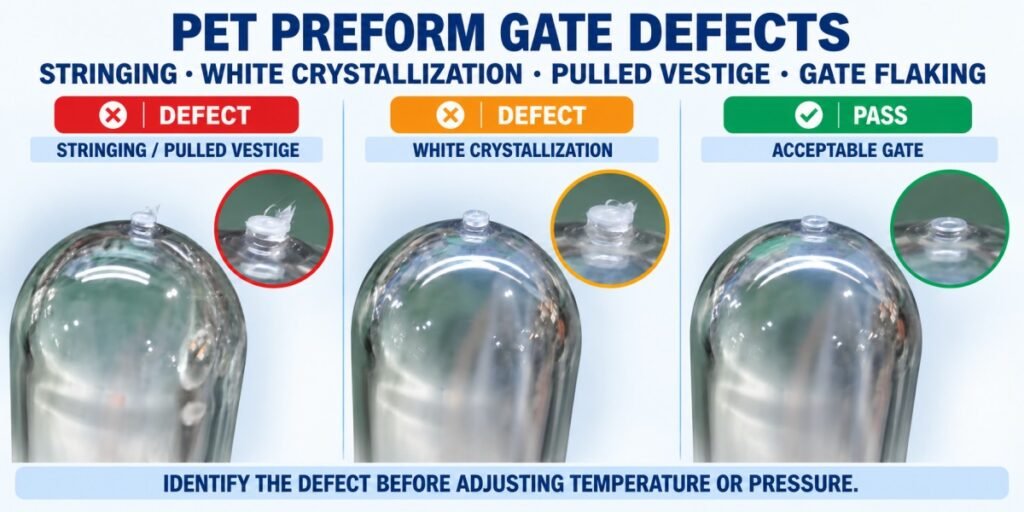
PET Preform Gate Defects: How to Fix Stringing, White Crystallization, Pulled Vestige & Gate Flaking
PET preform gate defects should be identified before process parameters or mold components are changed. Stringing, white gate…
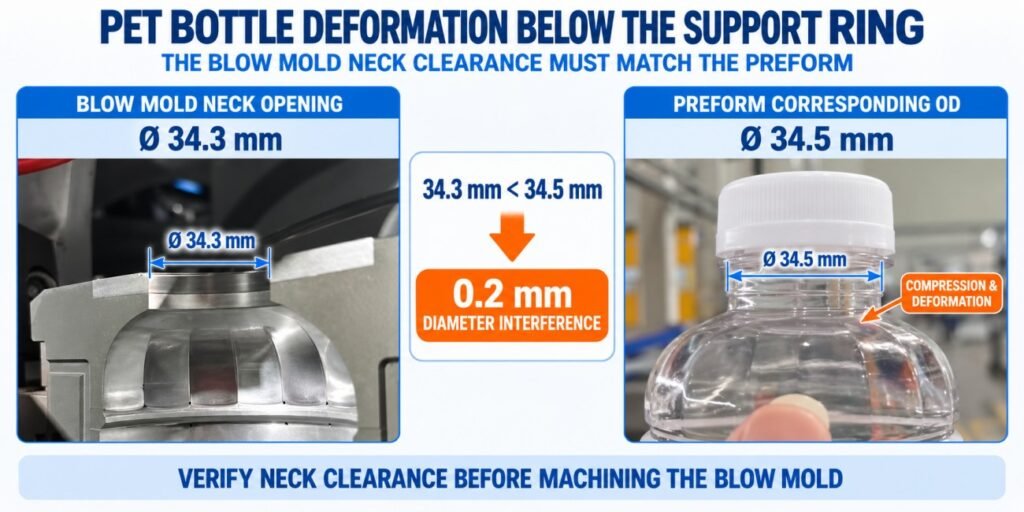
PET Bottle Deformation Below the Support Ring: Why Blow Mold Neck Clearance Must Match the Preform
A PET bottle that repeatedly deforms directly below the support ring does not always have a heating or…
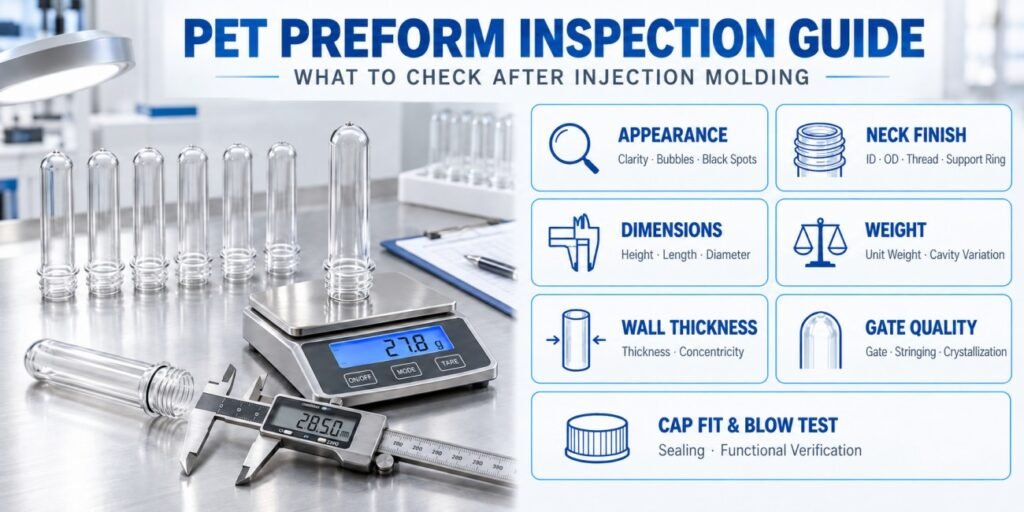
PET Preform Inspection Guide: What Should You Check After Injection Molding?
PET preform inspection should cover much more than transparency and appearance. After injection molding, a production QC program…
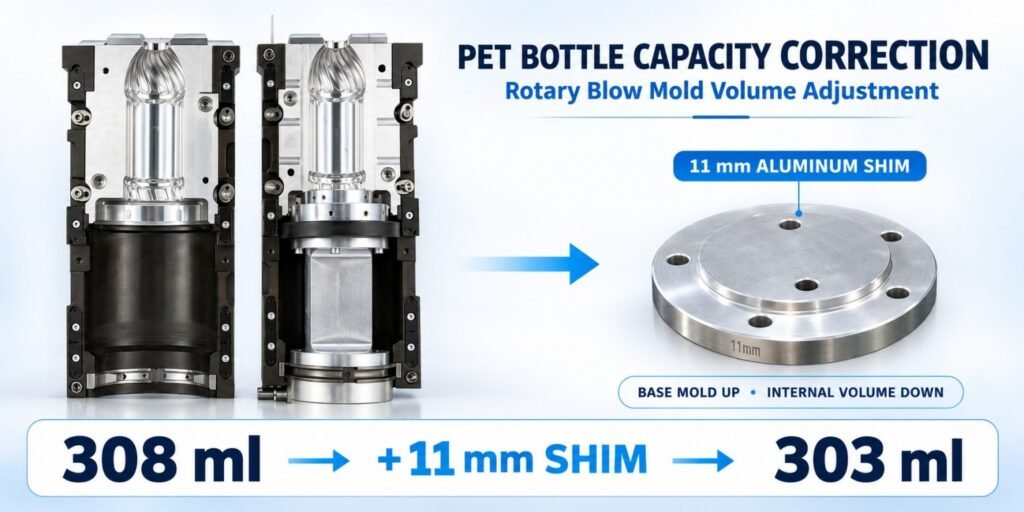
PET Bottle Capacity Too High or Too Low? How Rotary Blow Mold Volume Adjustment Shims Correct It
A rotary PET blow mold designed for a 300 mL bottle does not always produce a bottle that…
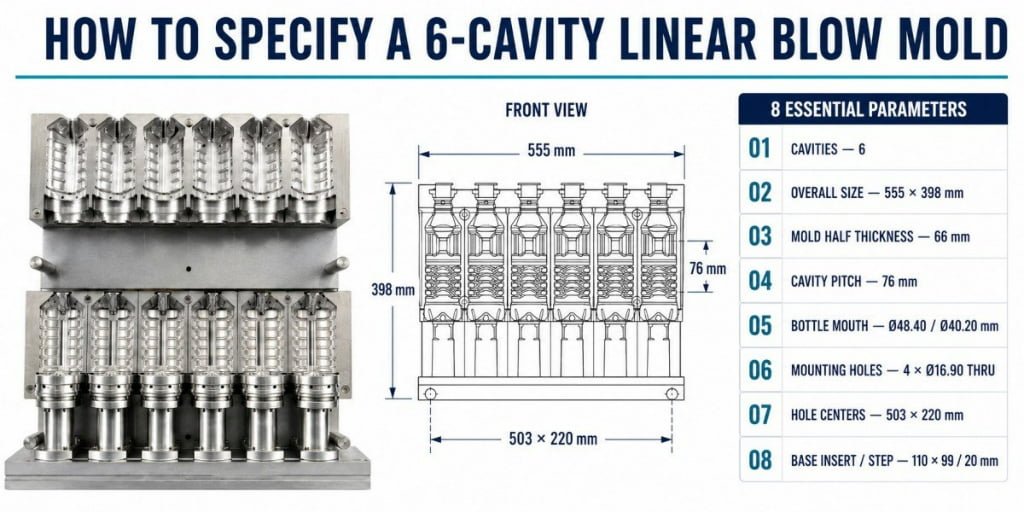
How to Specify a 6-Cavity Linear Blow Mold: 8 Essential Parameters Guide
To specify a 6-cavity linear blow mold correctly, the mold supplier needs more than the bottle drawing and…
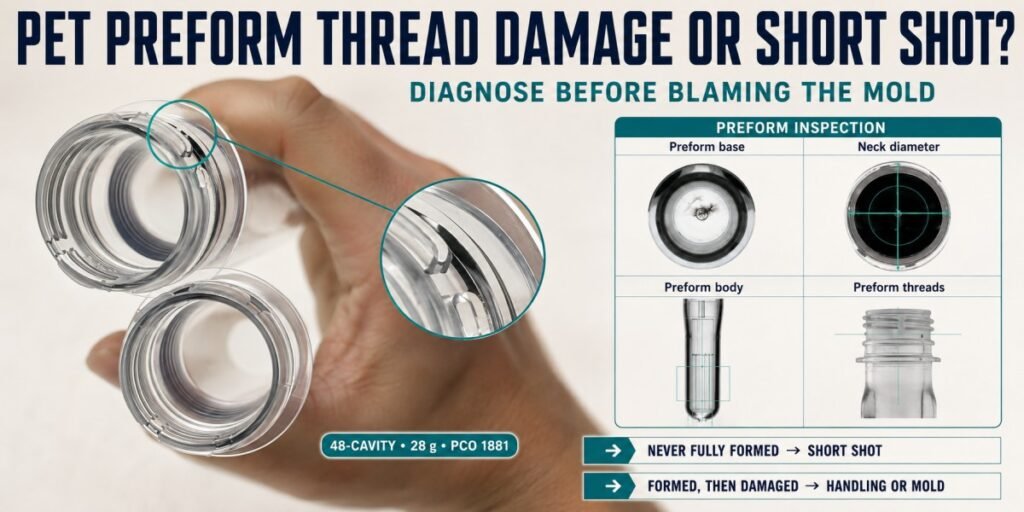
PET Preform Thread Damage or Short Shot? How to Diagnose Neck Finish Defects Before Blaming the Mold
A missing section on a PET preform thread does not automatically mean the neck ring or preform mold…
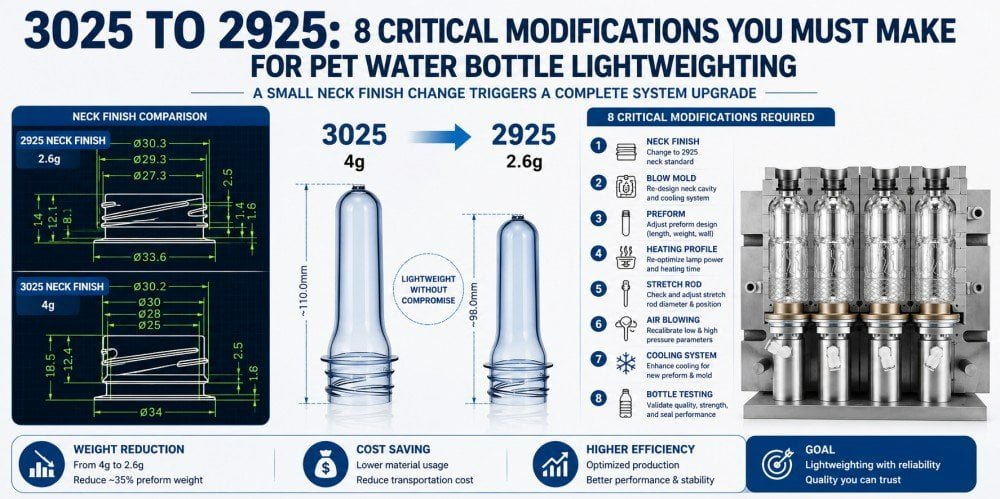
30/25 to 29/25 Neck Finish Conversion: The Complete Blow Molding Retrofit Guide
Converting from a 30/25 to a 29/25 neck finish offers significant resin savings for water bottling plants. However,…
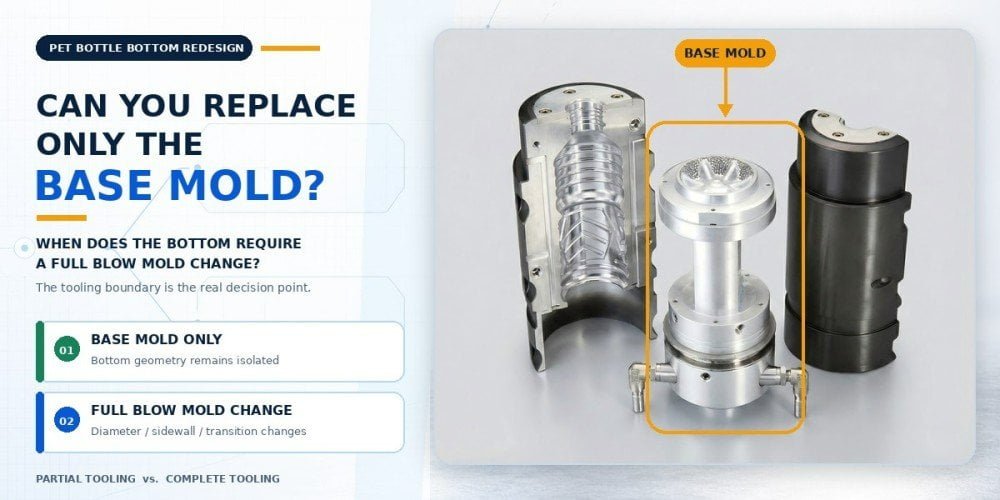
Can You Replace Only the Base Mold? When a New PET Bottle Bottom Requires a Full Blow Mold Change
A customer from Indonesia recently asked us a question that sounds very simple: “We want to keep the…
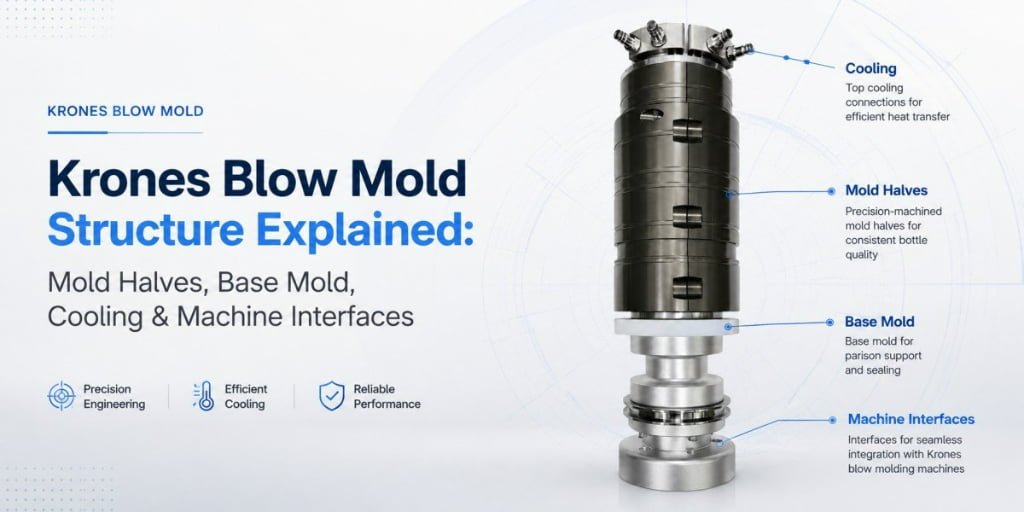
Krones Blow Mold Structure Explained: Mold Halves, Base Mold, Cooling & Machine Interfaces
A Krones blow mold is not simply an aluminum block with a bottle cavity machined into it. On…
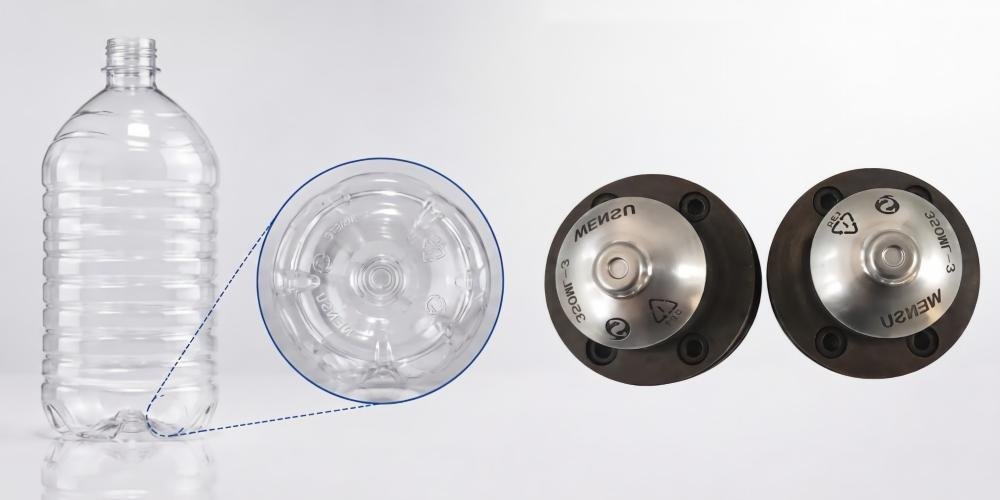
What Is a PET Blow Mold Bottom Insert? A Guide to Bottle Markings and Quality Control
A PET blow mold bottom insert is a specialized, removable steel or aluminum module positioned at the base…
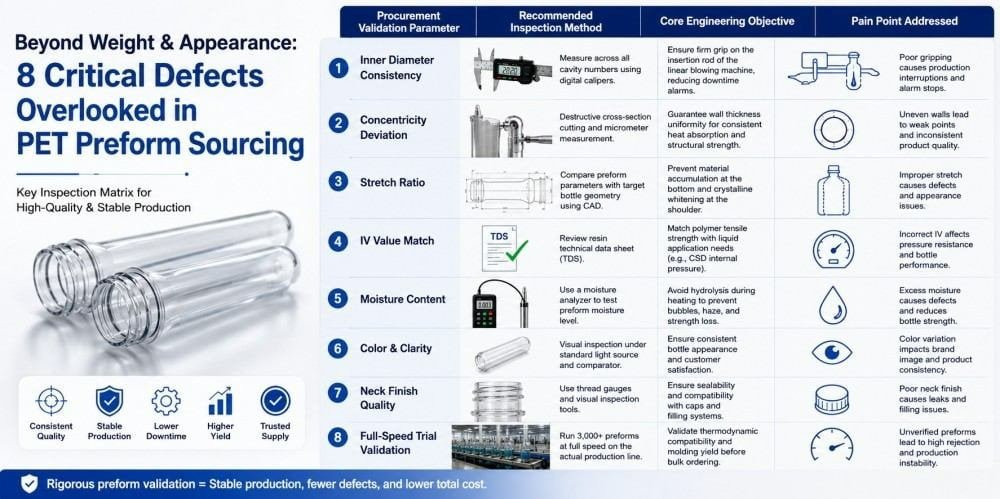
How to Procure PET Preforms: A Guide to Avoiding 8 Critical Defects
How do you successfully procure PET preforms and avoid production halts? Securing reliable PET preforms requires verifying inner…
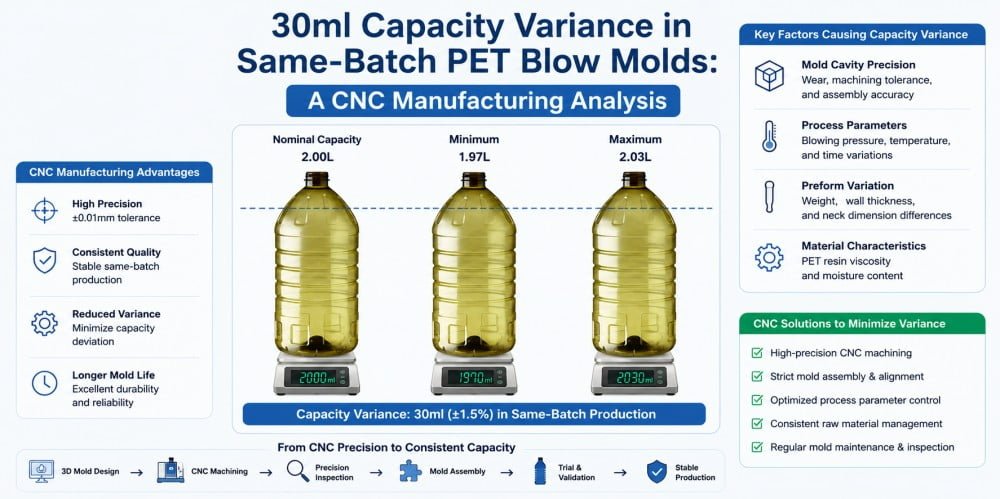
30ml Capacity Variance in Same-Batch PET Blow Molds: A CNC Manufacturing Analysis
Can a single production batch of PET blow molds produce bottles with a 30ml capacity variance? Yes, unexpected…
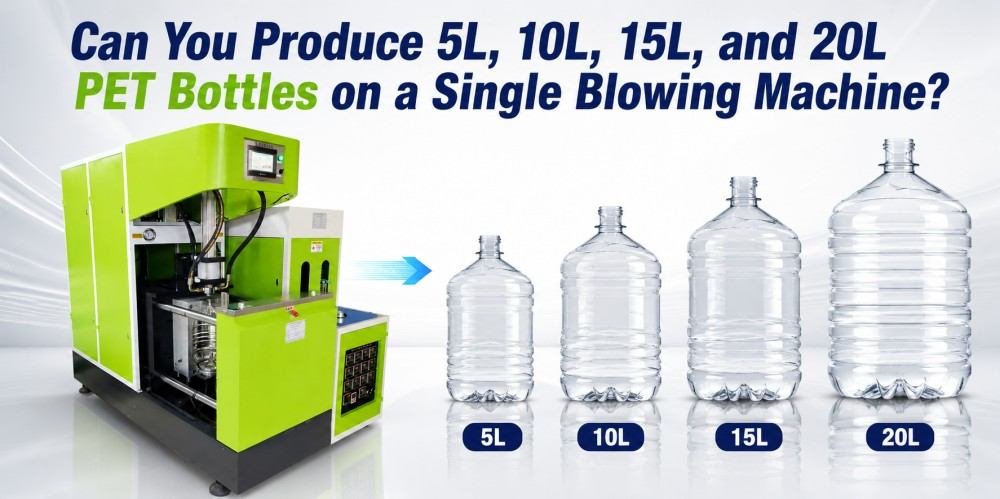
Can You Produce 5L, 10L, 15L, and 20L PET Bottles on a Single Blowing Machine?
Yes, you can produce 5L to 20L PET bottles on a single machine by utilizing a 20L semi-automatic…
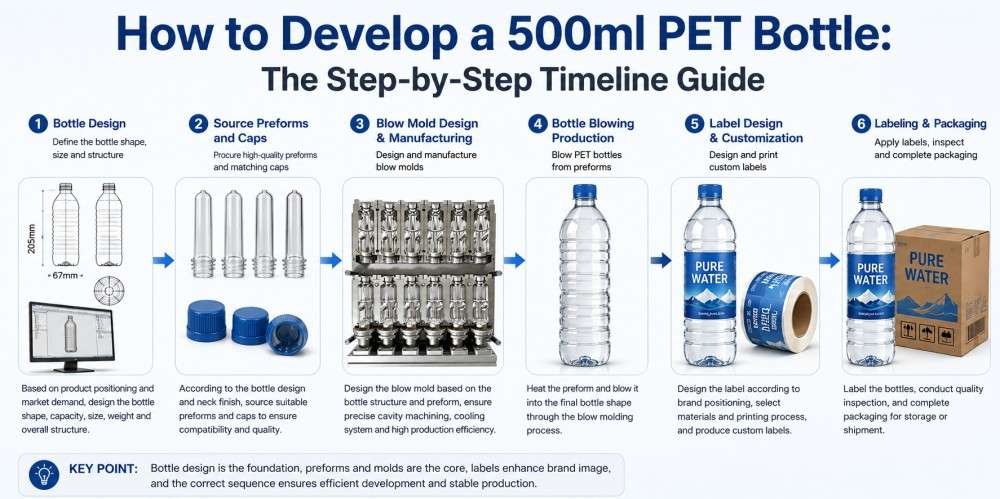
How to Develop a 500ml PET Bottle: The Step-by-Step Timeline Guide
The process of developing a 500ml PET bottle requires a strict chronological sequence, beginning with filling line compatibility…
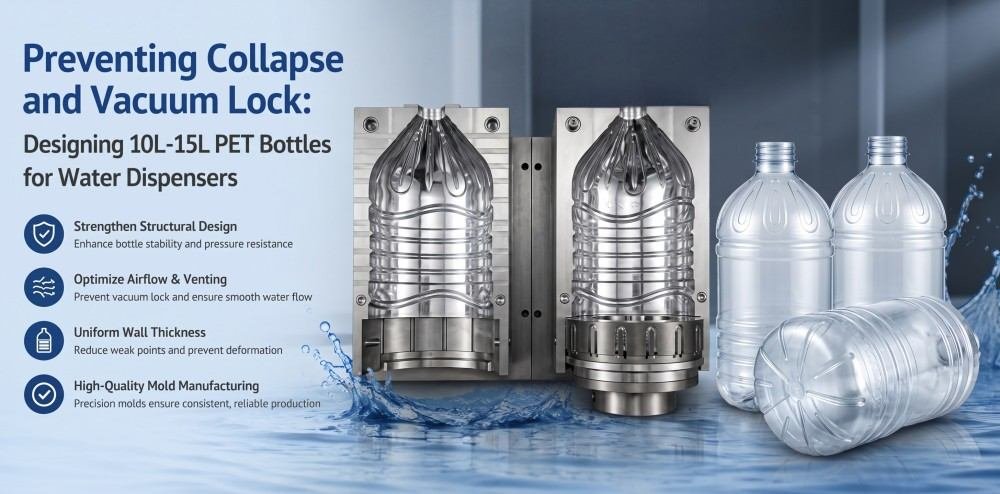
Preventing Collapse and Vacuum Lock: Designing 10L-15L PET Bottles for Water Dispensers
Designing 10L-15L one-way PET bottles for water dispensers requires engineering structural resistance against atmospheric pressure. By integrating deep…
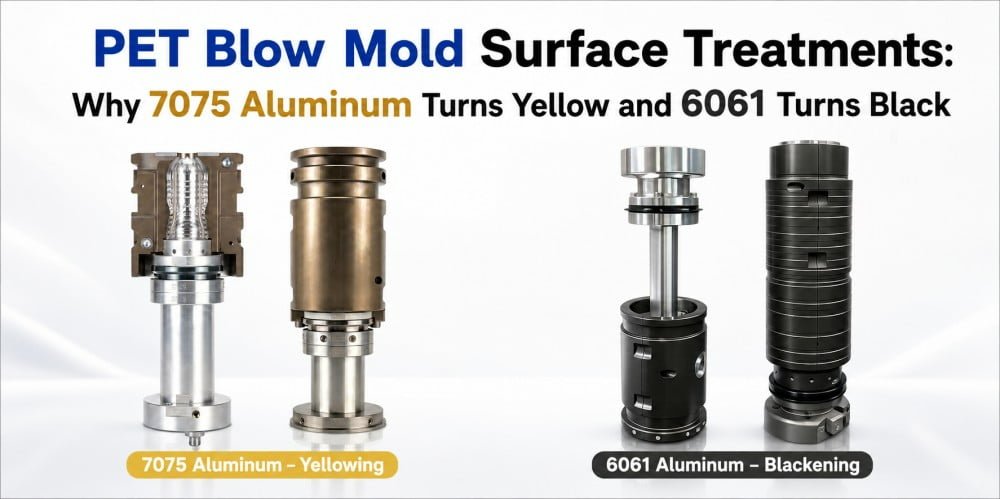
PET Blow Mold Surface Treatments: Why 7075 Aluminum Turns Yellow and 6061 Turns Black
The color difference in PET blow molds after surface treatment originates from the specific alloying elements within the…
Have a Technical Challenge?
Don't let mold issues slow you down. Contact our engineers for a free consultation or a mold diagnosis.